
SS President Harrison: Master’s Report to American President Lines
《SS 프레지던트 해리슨》호: 아메리칸 프레지던트 라인에 제출하는 선장 보고서
FROM: Master Orel A. Pierson
SUBJECT: Loss of Harrison, December 8, 1941
발신: 선장 오럴 A. 피어슨(Orel A. Pierson)
제목: 1941년 12월 8일, 해리슨호의 손실
Some time late in November 1941 we arrived at Manila, Philippine Islands, from the Pacific Coast via Honolulu, Suva and the Torres Straits. Here we were informed that we would proceed to Hong Kong to outfit as a transport and proceed to Shanghai together with the SS President Madison to evacuate the U.S. Fourth Marines. On December 3rd we made a rendezvous off Formosa with four U.S. submarines and with their machine guns mounted ready for instant action, we proceeded to Olongapoo [Philippine Islands]. At this time, it was apparent to all that war was imminent. We noted, and reported, that Japanese Naval units and transports were steaming south in large numbers.
1941년 11월 하순경, 우리는 태평양 연안에서 호놀룰루(Honolulu), 수바(Suva), 토레스(Torres) 해협을 경유하여 필리핀 제도의 마닐라(Manila)에 도착했다. 여기서 우리는 수송선으로 개조하기 위해 홍콩(Hong Kong)으로 이동한 후, 《SS 프레지던트 매디슨》호와 함께 상해(上海)로 가서 미국 제4해병대를 철수시키라는 지시를 받았다. 12월 3일, 우리는 포모사(Formosa) 근해에서 미 해군 잠수함 4척과 합류했고, 즉각적인 전투를 위해 기관총을 장착한 상태로 올롱가포(Olongapo)[필리핀 제도]로 향했다. 이때 전쟁이 임박했다는 것은 모두에게 명백했다. 우리는 일본 해군 부대와 수송선이 대규모로 남하하는 것을 목격하고 보고했다.

SS President Harrison《SS 프레지던트 해리슨》호

Orel A. Pierson
Left Manila on the morning of December 4, 1941, with a crew of 154 and one representative of the passenger department of American President Lines. On arrival at Chingwangtao we were to pick up around 300 Marines of the Peking and Tientsin Legation Guard and some 1400 tons of equipment and return to Manila. The vessel was chartered by the U.S. Navy on a day to day basis for this purpose. We were under direct orders of Admiral Hart and were “on the drum” of the Cavite Naval Radio. In other words we were in constant contact, on a specified frequency and a secret call letter. The only actual orders I ever received were verbal “to proceed to Chingwangtao and bring out the Marines.”
1941년 12월 4일 아침, 154명의 선원과 아메리칸 프레지던트 라인(American President Lines)의 여객 부서 대표 1명을 태우고 마닐라(Manila)를 떠났다. 진황도(秦皇島)에 도착하면 북경(北京)과 천진(天津) 공사관 경비대 소속 해병 약 300명과 장비 약 1,400톤을 싣고 마닐라(Manila)로 돌아올 예정이었다. 이 선박은 이 목적을 위해 미 해군이 일일 단위로 전세 낸 것이었다. 우리는 하트(Hart) 제독의 직접적인 명령을 받았고 카비테(Cavite) 해군 라디오의 ‘지휘’ 아래 있었다. 다시 말해, 우리는 지정된 주파수와 비밀 호출 부호로 지속적인 연락을 유지했다. 내가 실제로 받은 유일한 명령은 “진황도(秦皇島)로 가서 해병대를 데리고 나오라”는 구두 명령뿐이었다.
Consider now the situation in the Far East. Tension was mounting, war or the possibility of it was on every man’s tongue The destination of the Harrison (though it was supposed to be a deep dark secret) was the talk of every hotel and bar room in Manila. The Japanese most certainly knew where we were going and for what reason. In fact, I was later informed by the Captain of a Japanese destroyer that “they knew all about our movements.” All American ships bound for Chinese ports had been ordered to Manila and to my certain knowledge all British ships in North China waters as early as December 2nd had been ordered to proceed at full speed to Singapore. Proceeding north from Manila we again noted heavy Japanese shipping moving to the south.
이제 극동의 상황을 생각해보라. 긴장이 고조되고 있었고, 전쟁 또는 전쟁의 가능성은 모든 사람의 입에 오르내렸다. 해리슨(Harrison)호의 목적지는 (철저한 비밀로 여겨졌음에도 불구하고) 마닐라(Manila)의 모든 호텔과 술집의 화젯거리였다. 일본 측은 우리가 어디로, 무슨 이유로 가는지 분명히 알고 있었다. 실제로 나는 나중에 일본 구축함의 함장으로부터 “우리의 모든 움직임을 알고 있었다”는 말을 들었다. 중국 항구로 향하는 모든 미국 선박은 마닐라(Manila)로 오라는 명령을 받았고, 내가 확실히 아는 바로는 12월 2일이라는 이른 시점에 북중국 해역의 모든 영국 선박은 싱가포르(Singapore)로 전속력으로 이동하라는 명령을 받았다. 마닐라(Manila)에서 북쪽으로 항해하면서 우리는 다시금 대규모의 일본 선박들이 남쪽으로 이동하는 것을 목격했다.

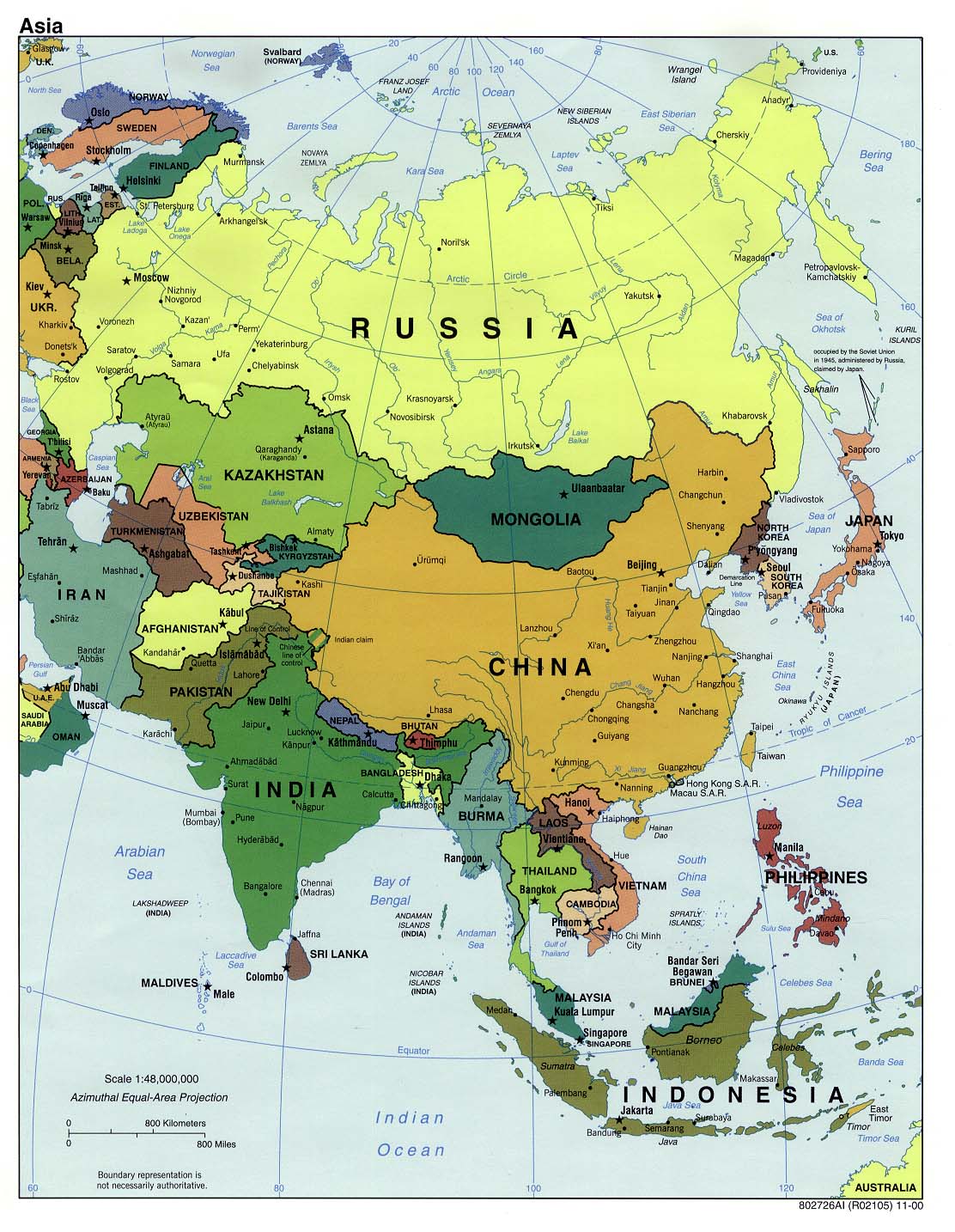
SS President Harrison left Manila for Chingwangtao, but was captured near Shanghai
《SS 프레지던트 해리슨》호는 마닐라(Manila)를 떠나 진황도(秦皇島)로 향했으나, 상해(上海) 부근에서 나포되었다

Saddle and Shaweishan islands in vicinity of Shanghai
상해(上海) 인근의 새들 군도(Saddle Islands)와 사위산도(佘山島)
About 2:30 AM on the morning of December 7th we passed the North Saddles and set course for Shaweishan on the north side of the Yangstze estuary. Somewhere about 3:30 AM I received a message from Cavite that Pearl Harbor had been attacked. The show was on. We were in hostile waters, surrounded on all sides by Japanese-held territory or Japan proper. The vessel was completely outfitted for the carriage of troops and if she fell into Japanese hands, could have been loaded and used for that purpose within a matter of hours against our forces in the Far East. I was bound and determined to use every means in my power to prevent this. What to do? I have given some thought to the matter after leaving Manila. The first and obvious thing of course was to try and escape with the ship. Even though this might prove to be a hopeless move, we turned off immediately to the south/west hoping by some miracle we might work our way out through the islands south of Van Dieman Strait, make for the extreme north Pacific and eventually back to some Pacific Coast port. After informing the officers and crew as to what had happened we started to paint out the stack and superstructure hoping to get on as much grey paint as possible before we met up with any Japanese craft.
12월 7일 새벽 2시 30분경, 우리는 북새들(North Saddles) 군도를 지나 양자강(揚子江) 어귀 북쪽에 있는 사산도(佘山島)로 침로를 정했다. 새벽 3시 30분경 카비테(Cavite)로부터 진주만이 공격당했다는 전문을 받았다. 마침내 시작된 것이다. 우리는 사방이 일본 점령지 혹은 일본 본토로 둘러싸인 적대 수역에 있었다. 선박은 병력 수송을 위해 완벽하게 설비를 갖춘 상태였고, 만약 일본의 손에 들어간다면 몇 시간 안에 병력을 싣고 극동의 우리 군을 공격하는 데 사용될 수 있었다. 나는 이를 막기 위해 내 힘으로 할 수 있는 모든 수단을 사용하기로 굳게 결심했다. 무엇을 해야 할까? 나는 마닐라(Manila)를 떠난 후 이 문제에 대해 어느 정도 생각해 두었다. 물론 첫 번째이자 명백한 방법은 배와 함께 탈출을 시도하는 것이었다. 이것이 가망 없는 움직임으로 판명될지라도, 우리는 즉시 남서쪽으로 방향을 틀었다. 기적적으로 반 디멘(Van Diemen) 해협 남쪽의 섬들을 빠져나와 북태평양 끝으로 향한 뒤, 결국 어느 태평양 연안 항구로 돌아갈 수 있기를 바랐다. 장교들과 선원들에게 무슨 일이 일어났는지 알린 후, 우리는 일본 선박과 마주치기 전에 가능한 한 많은 회색 페인트를 칠하기를 바라며 연돌과 상부 구조물을 칠하기 시작했다.
Being able to make about fifteen and one half knots we had not made many miles when daylight came and with it a Japanese plane with her bomb racks full. She signaled us to stop with a burst of machinegun fire and then after circling us flew off towards another ship that was coming up on the horizon. This ship turned out to be the Nagasaki Maru a fast 22 knot mail boat on the Japan-China run. Apparently, he had been told to tail us and keep us under surveillance while he reported our whereabouts to the naval authorities in Shanghai. I knew this ship well and realized the futility of trying to escape from her. We were in no way afraid of her and as soon as we recognized her we got under way, but try as we would, could not lose her. As often as we changed course she did the same and stayed on our heels. I thought at one time of ramming her but she was smart enough to keep well clear of us while still keeping guard over us.
약 15.5노트의 속력을 낼 수 있었지만, 우리는 얼마 가지 못해 동이 텄고, 폭탄창을 가득 채운 일본 비행기가 나타났다. 그 비행기는 기관총을 한 차례 발사하여 우리에게 정지 신호를 보냈고, 우리 주위를 선회한 후 수평선 위로 나타나고 있던 다른 배를 향해 날아갔다. 그 배는 일본-중국 항로를 운항하는 22노트 속력의 빠른 우편선인 나가사키 마루(長崎丸)로 밝혀졌다. 분명히 그는 우리의 위치를 상해(上海)의 해군 당국에 보고하면서 우리를 미행하고 감시하라는 지시를 받은 것 같았다. 나는 이 배를 잘 알고 있었기에 그녀에게서 탈출하려는 시도가 얼마나 무의미한지 깨달았다. 우리는 결코 그녀를 두려워하지 않았고, 그녀를 알아본 즉시 항해를 시작했지만, 아무리 애를 써도 그녀를 따돌릴 수 없었다. 우리가 항로를 바꿀 때마다 그녀도 똑같이 따라오며 우리를 바싹 뒤쫓았다. 한때 그녀에게 충돌할 생각도 했지만, 그녀는 우리를 계속 감시하면서도 우리에게서 충분히 거리를 둘 만큼 영리했다.
My plan was to run for the beach and send the ship up as high as possible at full speed hoping to accomplish this before any further ships made their appearance. We started in the direction of Shaweishan as this was the nearest land and as we approached it I conceived the idea of sending the ship over the edge of it and ripping her bottom out completely. If we could achieve this, the vessel would go down completely and most surely be a total loss. As we approached the island we sighted a Japanese destroyer making toward us under forced draft and the plane again returned over head. He did not open fire or drop his bombs – the reason I learned later, they wanted the ship intact. It became a race as to whether we could make the island before the destroyer could intercept us. Five minutes before we struck we ordered the engineers out of the engine room leaving the plant wide open.
내 계획은 해안으로 돌진하여 전속력으로 배를 가능한 한 높이 올려붙이는 것이었고, 다른 배들이 나타나기 전에 이를 해내기를 바랐다. 우리는 가장 가까운 육지인 사산도(佘山島) 방향으로 나아갔다. 그곳에 접근하면서 나는 배를 섬의 가장자리 위로 몰아 선체를 완전히 찢어버릴 생각을 했다. 만약 우리가 이것을 해낼 수 있다면, 배는 완전히 가라앉아 확실히 전손(全損) 처리될 것이었다. 우리가 섬에 접근했을 때, 강제 통풍으로 우리를 향해 오고 있는 일본 구축함 한 척을 목격했고, 비행기도 다시 머리 위로 돌아왔다. 그는 발포하거나 폭탄을 투하하지 않았다. 나중에 알게 된 이유는 그들이 배를 온전한 상태로 원했기 때문이었다. 구축함이 우리를 가로막기 전에 우리가 섬에 도달할 수 있느냐의 경쟁이 되었다. 충돌 5분 전, 우리는 기관사들에게 기관실에서 나오라고 명령했고, 동력 장치는 완전히 가동 상태로 두었다.
Shortly after 1:00 PM and making around sixteen knots, we struck the edge of the island in the vicinity of Number One Hatch on the port side. Being thoroughly familiar with the construction of these ships and their sturdiness I knew it would be useless to take the ship in head on. She would only have banged up her bow and most likely backed off and still floated. Several accidents in the past have proved this on vessels of this type. The island is rounded and steep on the side we approached it from. She rode along the edge of the island for a considerable distance then heeled away over to starboard and rolled off. It turned out later we had ripped a hole in her 90 feet long but unfortunately she rolled off before reaching the engine room spaces. We had kept our radio silent until close in then I gave the operator orders to open up and get a message away as to what we were doing. This message was received and acknowledged by a San Francisco shore station.
오후 1시 직후, 약 16노트의 속력으로 우리는 좌현의 제1번 화물창 부근에서 섬의 가장자리에 충돌했다. 나는 이 배들의 구조와 견고함을 잘 알고 있었기 때문에 배를 정면으로 들이받는 것은 소용없다는 것을 알았다. 그랬다가는 선수만 찌그러지고, 아마도 뒤로 물러나 여전히 떠 있었을 것이다. 과거의 몇몇 사고들이 이런 종류의 선박에서 이를 증명했다. 우리가 접근한 쪽의 섬은 둥글고 가팔랐다. 배는 섬의 가장자리를 따라 상당한 거리를 나아가다가 우현으로 기울어져 굴러 떨어졌다. 나중에 보니 우리는 배에 90피트 길이의 구멍을 냈지만, 불행히도 배는 기관실 구역에 도달하기 전에 굴러 떨어졌다. 우리는 가까이 접근할 때까지 무선을 침묵으로 유지하다가, 통신사에게 무전을 개방하여 우리가 무엇을 하고 있는지에 대한 메시지를 보내라고 명령했다. 이 메시지는 샌프란시스코(San Francisco) 해안 기지국에서 수신하고 확인했다.
By now the plane had opened up with his machine gun and was strafing the ship presumably to stop us from using the radio. The plane made no attempt to strafe the boats in the water making for the island. The destroyer, running into shoal water, was feeling her way in to anchor. I landed on the island with my boat crew thinking that all was well and all safely ashore. There I found that one boat had gone under the quarter and that the port propeller was still slowly turning over, due to steam within the engine itself not being fully exhausted, and that the boat had been capsized the crew thrown into the water and three of the men lost. All the others had been picked up by the other boats including Mr. J. L McKay, Chief Steward, who had sustained several broken ribs. The Chief Engineer was suffering from a dose of fuel oil and from the shock of being immersed in the icy water. All others were apparently all right. All of the men had climbed to the top of the island where the lighthouse is and the light keepers (Chinese) had turned one of the buildings over to them and they had set up a snack bar and were feeding the men.
이제 비행기는 기관총을 발사하며 배에 기총소사를 가했는데, 아마도 우리가 무선을 사용하지 못하게 하려는 의도였을 것이다. 비행기는 섬으로 향하는 물 위의 보트들에는 기총소사를 시도하지 않았다. 구축함은 얕은 물로 진입하며 닻을 내리기 위해 조심스럽게 나아가고 있었다. 나는 모든 것이 순조롭고 모두가 안전하게 해안에 내렸다고 생각하며 보트 선원들과 함께 섬에 상륙했다. 그곳에서 나는 보트 한 척이 선미 아래로 들어가고, 기관 자체의 증기가 완전히 소진되지 않아 좌현 프로펠러가 여전히 천천히 돌고 있었다는 것을 알게 되었다. 그 보트는 전복되었고 선원들은 물에 빠졌으며 그중 세 명을 잃었다. 수석 사무장인 J. L. 맥케이(J. L. McKay) 씨를 포함한 다른 모든 사람들은 다른 보트들에 의해 구조되었다. 맥케이 씨는 갈비뼈 여러 대가 부러졌다. 기관장은 연료유를 뒤집어쓰고 차가운 물에 빠진 충격으로 고통받고 있었다. 다른 모든 사람들은 외견상 괜찮았다. 모든 선원들은 등대가 있는 섬 꼭대기로 올라갔고, 등대지기들(중국인)은 건물 하나를 그들에게 내주었다. 그들은 간이식당을 차리고 선원들에게 음식을 제공하고 있었다.
Just as dark came on, a Japanese Naval Landing Unit (which is the same as our marines) from the destroyer landed on the island and made their way to the top bristling with guns and bayonets fixed. We threw the few revolvers we had into the bushes and surrendered. First they destroyed the lighthouse radio station and then lined us all up and searched us for weapons – we had none – but anything we had such as money or papers were thrown on the ground and left. The entire crew were then placed under guard on the island and I was taken off to the destroyer where I spent the night. I was taken in to the wardroom where I found the officers in a jubilant mood with the radio going full blast and as I soon learned reports coming in of the sinking of the Prince of Wales, the various ships in Pearl Harbor, etc. Of course, the radio was in Japanese but several of the officers spoke excellent English and they certainly laid it on. They treated me very kindly, however and later the Commander made his appearance and after telling me how easy it would be for Japan to lick the world, broke out a bottle of Johnnie Walker Black label and treated everybody in the wardroom including myself.
어둠이 내릴 무렵, 구축함에서 나온 일본 해군 육전대(우리 해병대와 같음)가 섬에 상륙하여 총과 착검한 총검으로 무장한 채 꼭대기로 올라왔다. 우리는 가지고 있던 몇 자루의 권총을 덤불에 던지고 항복했다. 그들은 먼저 등대 무선국을 파괴한 다음, 우리 모두를 줄 세워 무기를 수색했다. 우리는 무기가 없었다. 하지만 우리가 가진 돈이나 서류 같은 것들은 모두 땅에 던져지고 버려졌다. 그 후 모든 선원은 섬에서 감시하에 놓였고, 나는 구축함으로 끌려가 그곳에서 밤을 보냈다. 나는 장교실로 끌려갔는데, 그곳의 장교들은 라디오를 최대로 켜놓고 환희에 찬 분위기였다. 나는 곧 프린스 오브 웨일스(Prince of Wales)호의 격침, 진주만의 여러 함선 등의 보고가 들어오고 있다는 것을 알게 되었다. 물론 라디오는 일본어였지만, 몇몇 장교들은 훌륭한 영어를 구사했고, 그들은 확실히 과시했다. 하지만 그들은 나를 매우 친절하게 대했다. 나중에 지휘관이 나타나 일본이 세계를 제압하는 것이 얼마나 쉬울 것인지 말한 후, 조니 워커 블랙 라벨 한 병을 꺼내 나를 포함한 장교실의 모든 사람에게 대접했다.
Later I was given coffee and rice cakes, a bed was made up for me on one of the settees and I was made as comfortable as possible. In the morning I was fed the usual Japanese food and they even went so far as to find me a knife and fork to eat with. Around 7 AM I was taken on deck — a boat launched and I was told we would return to the Island – the boat got halfway to the island was ordered back to the destroyer — from that moment on their attitude towards me changed entirely — they became curt and abusive.
나중에 나는 커피와 떡을 받았고, 긴 의자 중 하나에 내 잠자리가 마련되었으며, 가능한 한 편안하게 지낼 수 있었다. 아침에는 평범한 일본 음식을 받았고, 그들은 심지어 내가 식사할 수 있도록 나이프와 포크를 찾아주기까지 했다. 오전 7시경 나는 갑판으로 끌려갔다. 보트가 내려졌고 우리는 섬으로 돌아갈 것이라는 말을 들었다. 보트가 섬으로 가는 중간쯤 갔을 때 구축함으로 돌아오라는 명령을 받았다. 그 순간부터 나에 대한 그들의 태도는 완전히 바뀌었다. 그들은 무뚝뚝하고 모욕적으로 변했다.
I am still at a loss to know the reason for their complete about-face unless they realized when daylight came that the Harrison was not the easy prize they expected it to be. As we left the destroyer, she was clearly visible a half mile away way down by the head and with a heavy list to starboard. When we got to the island the Japanese officer ordered the entire crew into the boats and back to the ship. We found No. 1 hold partly flooded — Nos. 2, 3 and 4 flooded into the Upper Tween Deck. No. 5 partly flooded and 12 feet of water in the engine room. After hatches were dry. We were able to relight the fires and get up steam and two men volunteered to dive into the icy water and open and close the necessary valves to pump out the engine room. We were solidly aground forward but afloat aft.
날이 밝았을 때 해리슨(Harrison)호가 그들이 기대했던 쉬운 전리품이 아니라는 것을 깨닫지 않았다면, 그들의 완전한 태도 변화의 이유를 나는 아직도 알 수 없다. 우리가 구축함을 떠날 때, 반 마일 떨어진 곳에서 배는 선수 쪽이 크게 가라앉고 우현으로 심하게 기울어진 채 뚜렷하게 보였다. 우리가 섬에 도착하자 일본 장교는 모든 선원에게 보트에 타서 배로 돌아가라고 명령했다. 우리는 제1번 화물창이 부분적으로 침수되었고, 제2, 3, 4번 화물창은 상부 트윈덱까지 침수된 것을 발견했다. 제5번 화물창은 부분적으로 침수되었고 기관실에는 12피트의 물이 차 있었다. 선미 화물창은 말라 있었다. 우리는 다시 불을 지펴 증기를 올릴 수 있었고, 두 명의 선원이 차가운 물속으로 뛰어들어 기관실의 물을 퍼내기 위해 필요한 밸브를 열고 닫는 데 자원했다. 우리는 선수 쪽은 단단히 좌초되었지만 선미 쪽은 떠 있었다.
After trying to work the ship off with the engines (which would have no doubt caused her to sink in deeper water) and after breaking a couple of wires trying to pull her off with the destroyer, we suggested the possibility of lightening the ship by stripping her and throwing everything overboard. The Japanese agreed to this and we passed the word to sabotage everything possible. We threw at least a hundred thousand dollars worth of equipment over the side including motion picture equipment, pianos, furniture, stores, tarpaulins, hatches, and even the stronghooks. When we suggested unshipping the booms and putting them over however they apparently decided it had gone far enough and put a stop to it. Realizing by now that they could not float her without assistance they sent to Shanghai for divers and salvage equipment — at one time they had twelve divers on the job.
엔진을 이용해 배를 빼내려 시도하고(이는 의심할 여지 없이 더 깊은 물에서 배를 침몰시켰을 것이다), 구축함으로 배를 끌어내려다 몇 개의 와이어를 끊어 먹은 후, 우리는 배의 장비를 벗겨내고 모든 것을 바다에 던져 배를 가볍게 할 가능성을 제안했다. 일본 측은 이에 동의했고, 우리는 가능한 모든 것을 파괴하라는 말을 전했다. 우리는 영화 장비, 피아노, 가구, 저장품, 방수포, 해치, 심지어 스트롱훅까지 포함하여 최소 십만 달러 상당의 장비를 배 밖으로 던져버렸다. 그러나 우리가 붐을 분리하여 넘기자고 제안했을 때, 그들은 분명히 너무 멀리 나갔다고 판단하고 이를 중단시켰다. 이제 도움 없이는 배를 띄울 수 없다는 것을 깨달은 그들은 상해(上海)로 잠수부와 인양 장비를 요청했다. 한때 그들은 12명의 잠수부를 작업에 투입했다.
Then they sent to Japan for the Nippon Salvage Co. and they arrived with a complete salvage unit including a salvage master — a Japanese born in Portland, Oregon and thoroughly familiar with salvage work. He went at the job in a more scientific manner and after 43 days of diving, patching and plugging they managed to get number one and two holds tight enough so that the heavy pumps could hold the water down. Then by flooding the after holds on the high tide of the month she floated off and was taken into Shanghai where she was placed alongside the dock and the divers, working in-between in the slack water plugged the holes enough to eventually get her to Japan and into a dry dock. While on the rocks we faired fairly well for food but after entering Shanghai the ship’s food ran out and the Japanese took over the feeding. We went on very short rations then and I never did get a really full meal again until the war ended in 1945. We lived on the Harrison until the middle of March when the crew was released in Shanghai and the officers sent to a detention camp at Hongkew Park. None of the officers were ever released and sixteen of the crew died in Shanghai before the war ended.
그 후 그들은 일본에 닛폰 인양 회사(Nippon Salvage Co.)를 요청했고, 그들은 인양 전문가를 포함한 완전한 인양팀과 함께 도착했다. 그 전문가는 오리건(Oregon)주 포틀랜드(Portland)에서 태어난 일본인으로 인양 작업에 정통했다. 그는 더 과학적인 방식으로 작업에 착수했고, 43일간의 잠수, 수리, 봉쇄 작업 끝에 제1, 2번 화물창을 충분히 밀폐시켜 대형 펌프가 물을 막을 수 있게 했다. 그런 다음 그 달의 만조 때 선미 화물창을 침수시켜 배를 띄웠고, 상해(上海)로 예인되어 부두에 정박했다. 잠수부들은 정조 시간 동안 작업하여 구멍을 충분히 막아 결국 일본으로 가져가 드라이독에 넣을 수 있었다. 암초 위에 있을 때는 식량 사정이 꽤 괜찮았지만, 상해(上海)에 들어간 후 배의 식량이 떨어지자 일본 측이 배식을 맡았다. 그때부터 우리는 매우 적은 배급을 받았고, 1945년 전쟁이 끝날 때까지 다시는 제대로 된 식사를 하지 못했다. 우리는 3월 중순까지 해리슨(Harrison)호에서 살았고, 그때 선원들은 상해(上海)에서 석방되고 장교들은 홍구(虹口) 공원의 억류 수용소로 보내졌다. 장교 중 누구도 풀려나지 못했고, 전쟁이 끝나기 전에 16명의 선원이 상해(上海)에서 사망했다.
I was taken to Japan the first of April 1942 to attend, as they said, a prize court. I was confined along with quite a few China Coast men in the Sasabro Naval Hall and until the middle of August, no person asked me a single question concerning the Harrison. One day, the Court, consisting of one man and his interpreter, asked me a series of routine questions. They informed me that they thought it would go very bad for me for the damage we had caused. A few days later I was taken under guard and blindfolded (part of the time) to Zentsuji War Prison Camp on the Island of Shikoko. This was a Military Prison and I was sent there apparently because I held a Lt. Commodore’s commission in the U.S. Naval Reserve.
나는 1942년 4월 1일, 그들의 말에 따르면, 나포 심판소에 출석하기 위해 일본으로 끌려갔다. 나는 사세보(佐世保) 해군 회관에서 꽤 많은 중국 연안 출신 남자들과 함께 감금되었고, 8월 중순까지 아무도 나에게 해리슨(Harrison)호에 관한 질문을 단 한 개도 하지 않았다. 어느 날, 한 명의 심판관과 그의 통역사로 구성된 심판소가 나에게 일련의 판에 박힌 질문을 했다. 그들은 우리가 야기한 손해 때문에 내게 매우 불리하게 작용할 것이라고 알렸다. 며칠 후, 나는 감시하에 (때로는 눈가리개를 한 채로) 시코쿠(四國)섬의 젠츠지(善通寺) 전쟁 포로수용소로 이송되었다. 이곳은 군사 교도소였고, 내가 미 해군 예비역 중령 계급을 가지고 있었기 때문에 그곳으로 보내진 것 같았다.
I arrived at Zentsuji on November 5, 1942 and remained there until June 23, 1945 when the camp was broken up and we were transferred to Rokuroshi Camp in the mountains of western Honshu. I remained a prisoner until finally liberated by the U.S. Armed Forces on September 2, 1945. I thus lost track of the President Harrison after 26th March 1942. The story of my years in Prison Camps closely parallels that of any American held by the Japanese with all the heartaches, abuses, uncertainties and slow starvation accorded to them in the Military Prisons. I lost 85 pounds need I say more.
나는 1942년 11월 5일 젠츠지(善通寺)에 도착하여 1945년 6월 23일까지 그곳에 머물렀다. 그 후 수용소가 해체되고 우리는 서부 혼슈(本州) 산속의 로쿠로시(六呂師) 수용소로 이송되었다. 나는 1945년 9월 2일 미군에 의해 마침내 해방될 때까지 포로로 남아 있었다. 그리하여 나는 1942년 3월 26일 이후 《프레지던트 해리슨》호의 행방을 잃었다. 포로수용소에서의 내 수년간의 이야기는 군사 교도소에서 그들에게 가해진 모든 심적 고통, 학대, 불확실성, 그리고 서서히 진행되는 굶주림과 함께 일본인에게 억류된 모든 미국인의 이야기와 매우 유사하다. 나는 85파운드가 빠졌다. 더 말할 필요가 있겠는가.
[The text above is an edited combination of two separate reports written by Captain Orel Pierson. The North China marines who were to be picked up by the President Harrison became Prisoners of War. Included in the cargo which was to accompany them were the fossils known as “Peking Man,” whose whereabouts remain a mystery. Shaweishan Island no longer appears on maps, apparently removed as a hazard to navigation.]
[위 글은 오럴 피어슨(Orel Pierson) 선장이 작성한 두 개의 별도 보고서를 편집하여 합친 것이다. 《프레지던트 해리슨》호가 데리러 가기로 했던 북중국 해병대원들은 전쟁 포로가 되었다. 그들과 함께 운송될 화물에는 “북경인(北京人)”으로 알려진 화석이 포함되어 있었는데, 그 행방은 여전히 미스터리로 남아있다. 사산도(佘山島)는 항해에 위험 요소로 간주되어 제거된 것으로 보이며, 더 이상 지도에 나타나지 않는다.]
Postscript:
The Japanese renamed the ship Kakko Maru. There were rumors that she was torpedoed and repaired, thus a name change to Kachidoki Maru. On September 12, 1944 while carrying 900 British Prisoners of War, the Kachidoki Maru was torpedoed by the U.S. submarine USS Pampanito (520 survivors). The Pampanito is now a museum ship, docked in San Francisco, home port of the SS President Harrison.
추신:
일본인들은 그 배를 카코 마루(Kakko Maru)로 개명했다. 그녀가 어뢰에 맞고 수리된 후 카치도키 마루(Kachidoki Maru)로 이름이 바뀌었다는 소문이 있었다. 1944년 9월 12일, 900명의 영국인 전쟁 포로를 수송하던 중 카치도키 마루(Kachidoki Maru)는 미 해군 잠수함 《USS 팜파니토》호(USS Pampanito)에 의해 어뢰 공격을 받았다(생존자 520명). 팜파니토호는 현재 박물관 선박으로, 《SS 프레지던트 해리슨》호의 모항인 샌프란시스코(San Francisco)에 정박해 있다.
Sources:
- San Francisco. California Oct. 11, 1945. Statement of O. A. Pierson Master of SS President Harrison. (Courtesy of Captain C. E. Gedney)
- American President Lines Inter-Office Memorandum. To: Operating Manager – American President Lines. From: Master (Ex.) SS President Harrison (Courtesy of Captain C. E. Gedney)
- Niven, John. American President Lines and Its Forebears, 1848-1984, Newark DE: University of Delaware Press, 1987
- MAST, April 1944 and Sept. 1948
- Grover, David H., and Grover, Gretchen G., Captives of Shanghai: Story of SS President Harrison, Napa, CA: Western Maritime Press, 1999
- Asia map – https://maps.lib.utexas.edu/maps/middle_east_and_asia/asia_pol00.jpg
- Shanghai area map adapted from – https://maps.lib.utexas.edu/maps/historical/blue_river_1912.jpg

http://www.USMM.org ©1998 – 2005. You may quote small portions of material on this website as long as you cite American Merchant Marine at War, http://www.usmm.org as the source. You may not use more than a few paragraphs without permission. If you see substantial portions of any page from this website on the Internet or in published material please notify usmm.org @ comcast.net